The Best Time of Year to Shoot Video in Seattle
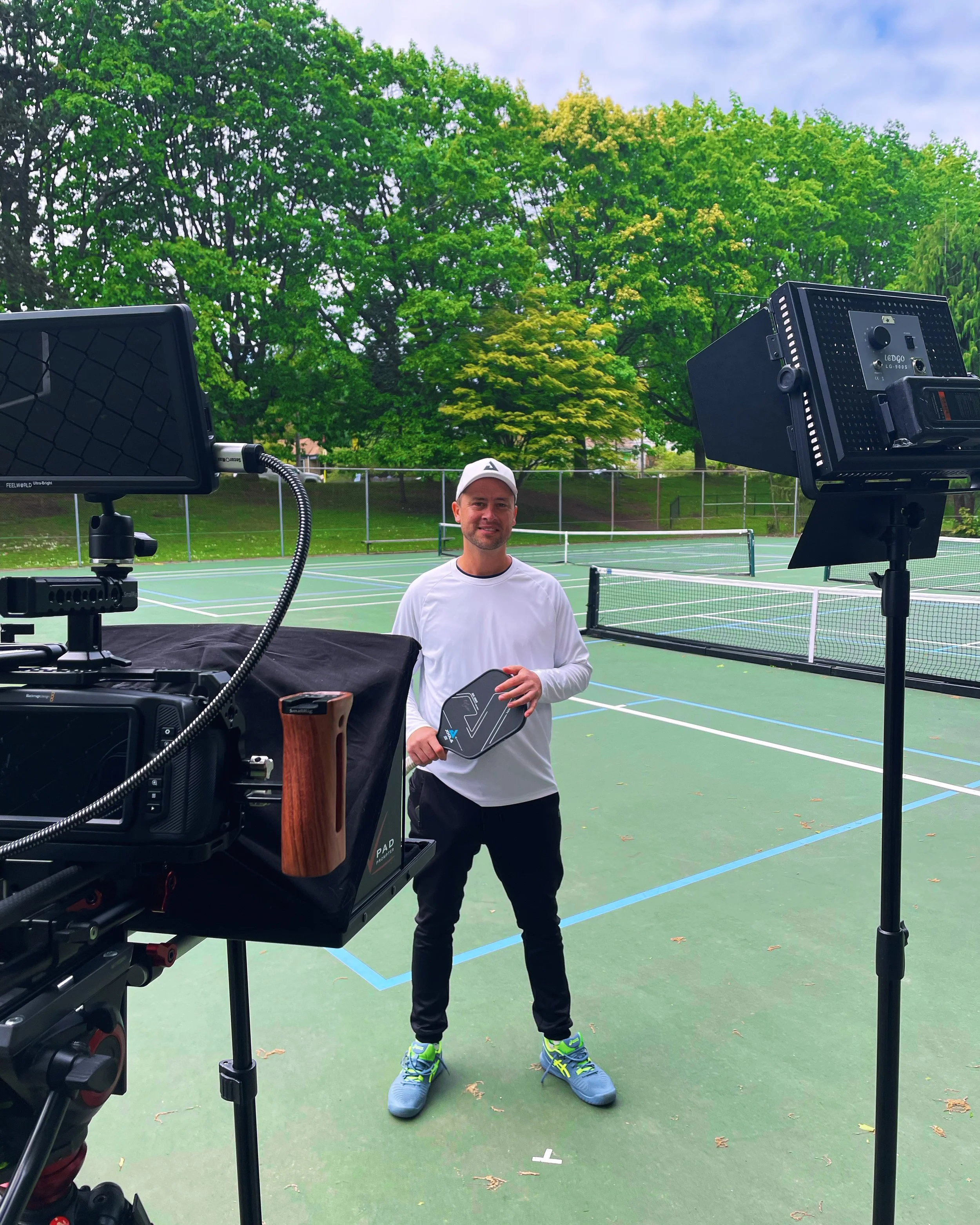
Behind-The-Scenes Yes And Video Overcast Video Production
If you're planning a video project and wondering about the best time of year to shoot video in Seattle, here's the answer nobody expects: it's not about waiting for a sunny day.
I've shot video all over Seattle since 2011, everything from brand films to corporate work to drone footage, through every kind of weather this city throws at you. And the biggest misconception I run into is that a great shoot needs blue skies. It doesn't. In fact, the overcast that Seattle is famous for is one of the best things a filmmaker can ask for. Once you understand that, the question of when to shoot becomes a lot more interesting than "whenever it stops raining."
Here's how the seasons actually shake out for video, and how to pick the right window for your project.
First, the myth: you're waiting for sunshine
Direct sunlight is hard to shoot in. It's harsh. It carves deep shadows under people's eyes, blows out bright spots, and forces your subject to squint. It's the reason big productions haul around massive diffusion frames. They're spending money to turn hard sun into the exact soft light that Seattle gives you for free most of the year.
An overcast sky is a giant softbox. It wraps light evenly around a face, flatters skin tones, and gives you consistent exposure that doesn't shift every time a cloud moves. For interviews, testimonials, and most brand work, a flat gray Seattle day is a gift, not a problem. So when you're thinking about timing, stop optimizing for sun. Optimize for the right kind of light and the right conditions for what you're shooting.
Summer (July to September): the easy answer, with caveats
If you want the safe bet, summer is it. Seattle's dry season runs roughly July through September, and it's the most reliable stretch for staying on schedule without rain surprises. Long days give you enormous flexibility. In late June and July the sun doesn't set until after 9 p.m., so you get a huge window and a long, gorgeous golden hour in the evening.
The caveats: summer is when everyone wants to shoot, so good crews and locations book up early. Midday sun in July can actually be too harsh for exteriors, so the best light is early morning or that late evening golden hour, not high noon. And one local truth outsiders always get wrong: Seattle summer doesn't reliably start until after the Fourth of July. June is often cool and gray (locals call it "Juneuary"), so if you're banking on sunshine, don't schedule it for early summer.
Fall (September to October): the underrated sweet spot
This is my favorite window, and most people overlook it. Early fall gives you the best of everything: the summer dryness usually holds into September and early October, the crowds and booking crunch ease off, and the light gets lower and warmer as the sun sits closer to the horizon. That low golden light through changing leaves makes exteriors look expensive with zero extra effort.
If your project has any outdoor component and you want it to feel rich and cinematic, aim for late September into the middle of October. You're gambling a little on when the rain returns, but the payoff in light quality is worth it.
Winter (November to February): short days, strong interiors
Winter is where the local knowledge really earns its keep. The rain is frequent, and the days are genuinely short. By December the sun is down before 4:30 p.m., which massively compresses your window for any exterior or natural light work. If you're shooting outside in winter, the day has to be planned around a few precious hours.
But winter is excellent for interior work. Studio interviews, office shoots, product videos, anything under controlled lighting: the weather outside is irrelevant, and you'll often get better crew availability and more scheduling flexibility than in peak season. Winter is also the right season for moody, high contrast brand films where that gray, atmospheric Seattle light is exactly the mood you want. The trick is matching the project to the season instead of fighting it.
Spring (March to June): green, blossoms, and a gamble
Spring is beautiful and unpredictable in equal measure. The city greens up, and late March into early April brings the cherry blossoms. The UW quad is the famous spot, and it's stunning on camera for a very short window. If a blossom or fresh green look fits your brand, spring is the only time to get it.
The catch is that spring weather is a coin flip day to day, and as I mentioned, early summer often stays gray well into June. So spring works beautifully for interiors and for exteriors you can be flexible about, but I wouldn't lock a hard, weather dependent outdoor shoot to a single spring date without a backup plan.
It really depends on what you're shooting
The honest answer to "when should I shoot" is "what are you shooting?"
Interviews and studio work: any time of year. Controlled light means the season barely matters, so book whenever it's convenient, and winter often gets you better availability.
Exteriors and b-roll of the city: aim for the dry season, July through October, with early fall as the sweet spot for light.
Drone and aerial: this one's the most weather sensitive. Aerial needs low wind and dry conditions, and rain grounds the drone entirely, so the window from summer into early fall is really the only reliable time for ambitious aerial work in Seattle. We plan aerial days with the most schedule padding of anything we shoot.
The real answer
The best time of year to shoot video in Seattle is whenever it matches your project. But if you want one simple rule: early fall, roughly the middle of September to the middle of October, is the strongest window overall. You get the dry season's reliability, warm low light, fall color, and none of the peak summer booking crunch.
The bigger point is that a Seattle shoot lives or dies on planning around the weather and the light, not praying against them. That's exactly the kind of thing a local crew handles without thinking about it. We already know how the light behaves here, when the rain tends to return, and how to build a shoot schedule that has a backup for the day the forecast turns. It's a lot harder to do that from a plane ticket.
Frequently asked questions
What's the best month to shoot video in Seattle? For all around conditions, September and early October are hard to beat. You get the dry season's reliability plus warm, low angle light and fewer scheduling conflicts than peak summer. July and August are the safest bet for guaranteed dry weather.
Is it bad to shoot video on a cloudy day in Seattle? Not at all. It's often better. An overcast sky acts like a giant softbox, giving even, flattering light that's ideal for interviews and most brand work. Direct sun is actually harder to shoot in because it creates harsh shadows and blown out highlights.
Can you shoot video in Seattle in winter? Yes, especially interior and studio work, where the weather doesn't matter and crew availability is often better. The main limitation is daylight. By December the sun sets before 4:30 p.m., so any exterior shooting has to be planned around a short window.
When should I schedule a drone shoot in Seattle? Aerial work is the most weather sensitive kind of shoot, since it needs low wind and dry skies, and rain grounds the drone. The window from summer through early fall is the most reliable time for aerial footage in Seattle.
Planning a shoot? Let's talk timing.
If you've got a Seattle video project in mind, the timing question is worth a quick conversation before you lock a date. The right season can save you money and make the footage look dramatically better. Tell me what you're shooting and roughly when you're hoping to do it, and I'll tell you the smartest window for it.
Get in touch and let's find the right time to make it.
Check out our related blog post: How to Choose a Seattle Video Production Company